 Sally Roberts
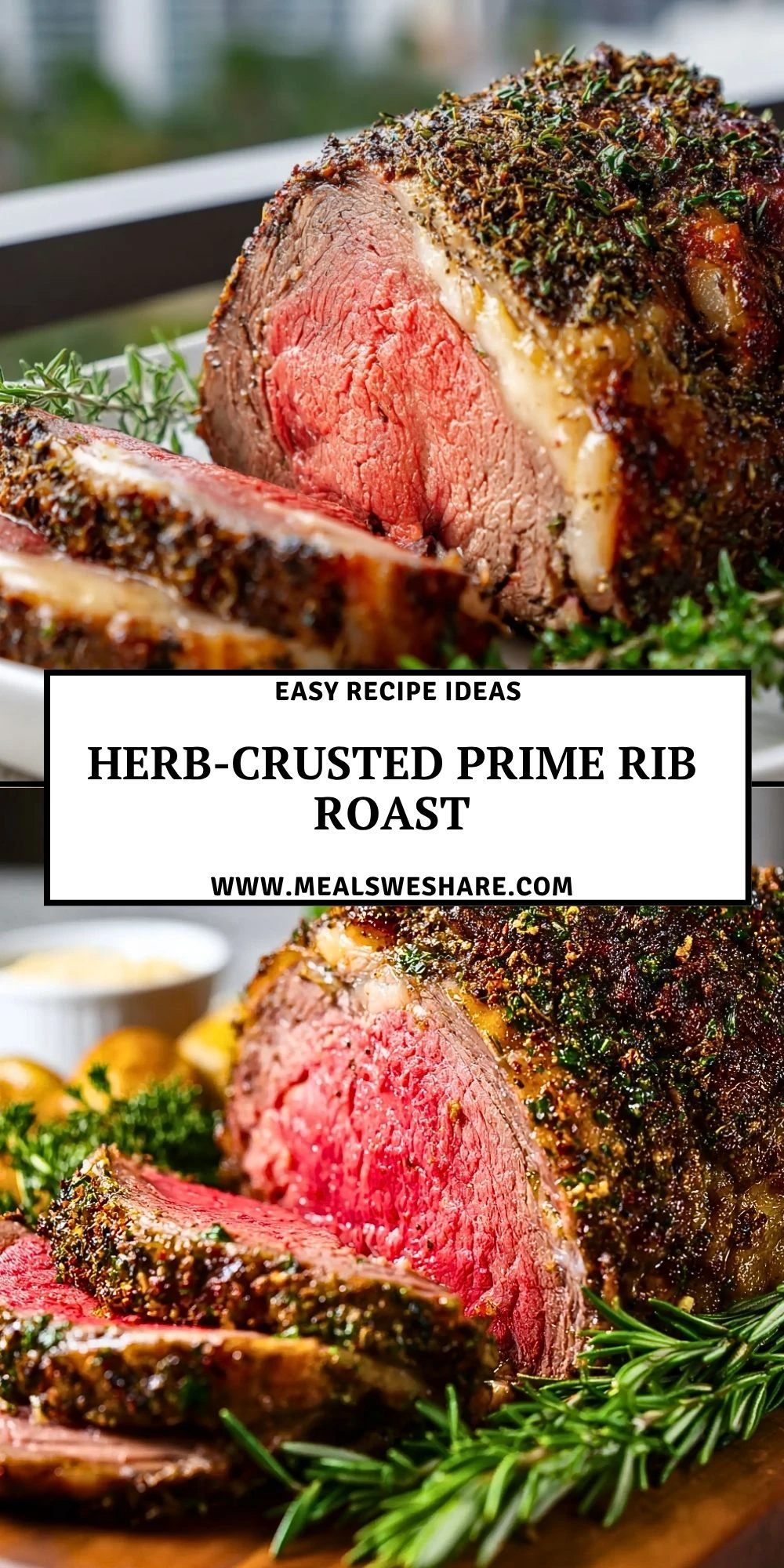
A herb-crusted prime rib roast is the kind of centerpiece that makes the whole table slow down for a minute. The outside becomes deeply savory, golden, and aromatic with garlic, rosemary, thyme, cracked pepper, and a little mustard to help the herbs cling to the beef. Inside, the roast stays tender and rosy when cooked gently and rested well.

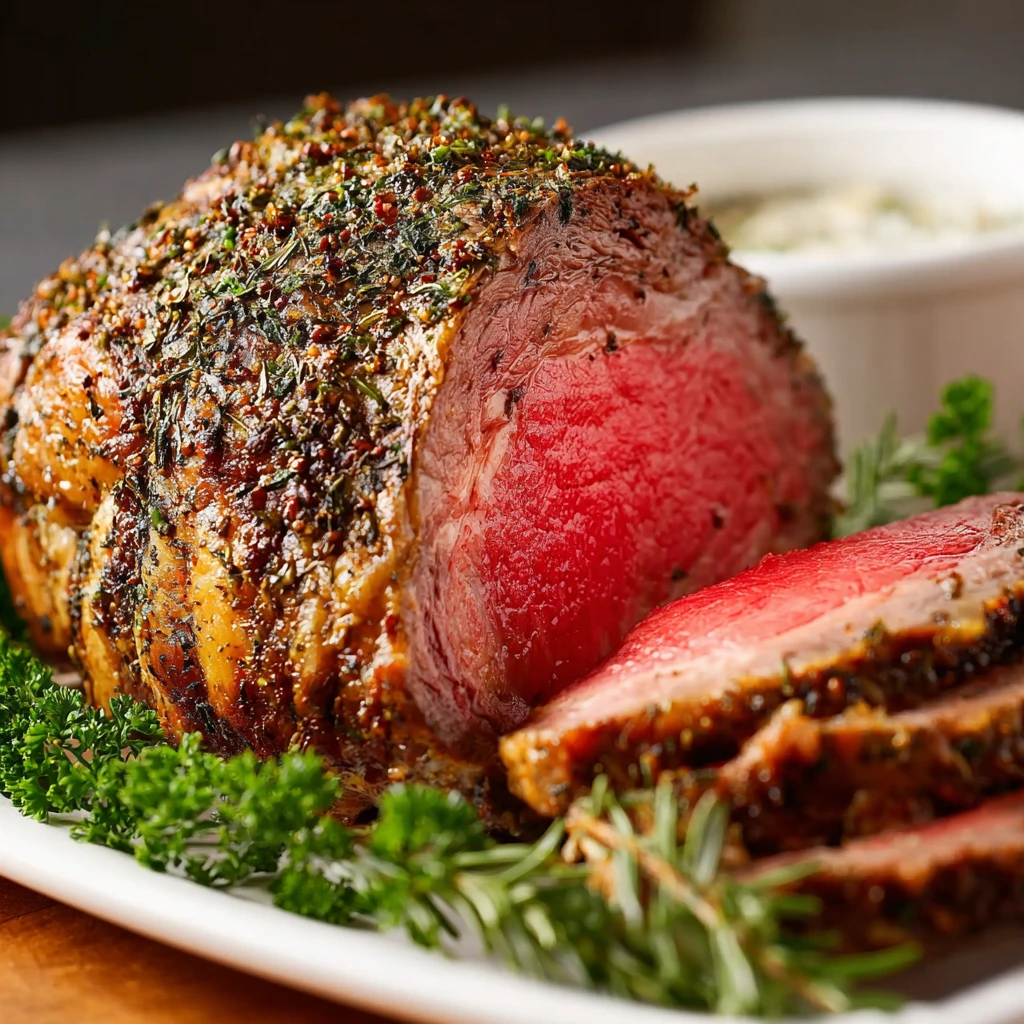
This is a special dinner that feels restaurant-worthy without needing complicated techniques. The real secret is giving the roast enough seasoning, letting it come closer to room temperature before roasting, and using a meat thermometer so the doneness is exactly where you want it. Serve it for Christmas dinner, Sunday supper, birthdays, or any meal where you want the main dish to feel generous and memorable.
Why You’ll Love This Herb-Crusted Prime Rib Roast
This herb-crusted prime rib roast delivers that perfect contrast everyone hopes for: a flavorful crust on the outside and juicy, tender beef in the center. The garlic-herb coating does more than add color; it perfumes the roast while it cooks and gives every slice a savory edge.
It is also surprisingly simple for such an impressive dish. You do not need to marinate overnight, sear in a separate pan, or build a complicated sauce. A well-seasoned roast, a hot oven start, and a lower finishing temperature help create a reliable result with beautiful presentation.
Another reason this roast is so loved is how flexible it is for gatherings. You can season it ahead, prepare side dishes while it roasts, and let it rest before carving, which gives you time to finish gravy, warm rolls, or toss a salad without rushing.
What Size Prime Rib Should I Buy?
For most dinners, plan on about 1 pound of bone-in prime rib per person, or about 3/4 pound per person if using boneless. A 5-pound bone-in roast usually feeds 5 to 6 people generously, while a 6- to 7-pound roast is better for 7 to 8 guests, especially if you want leftovers.
Bone-in prime rib has a dramatic look and the bones help protect part of the meat during roasting. Boneless prime rib is easier to carve and can be more convenient for smaller ovens or tighter serving spaces. Either works beautifully with this herb crust, so choose based on how you like to carve and serve.
Ingredients for the Herb-Crusted Prime Rib Roast
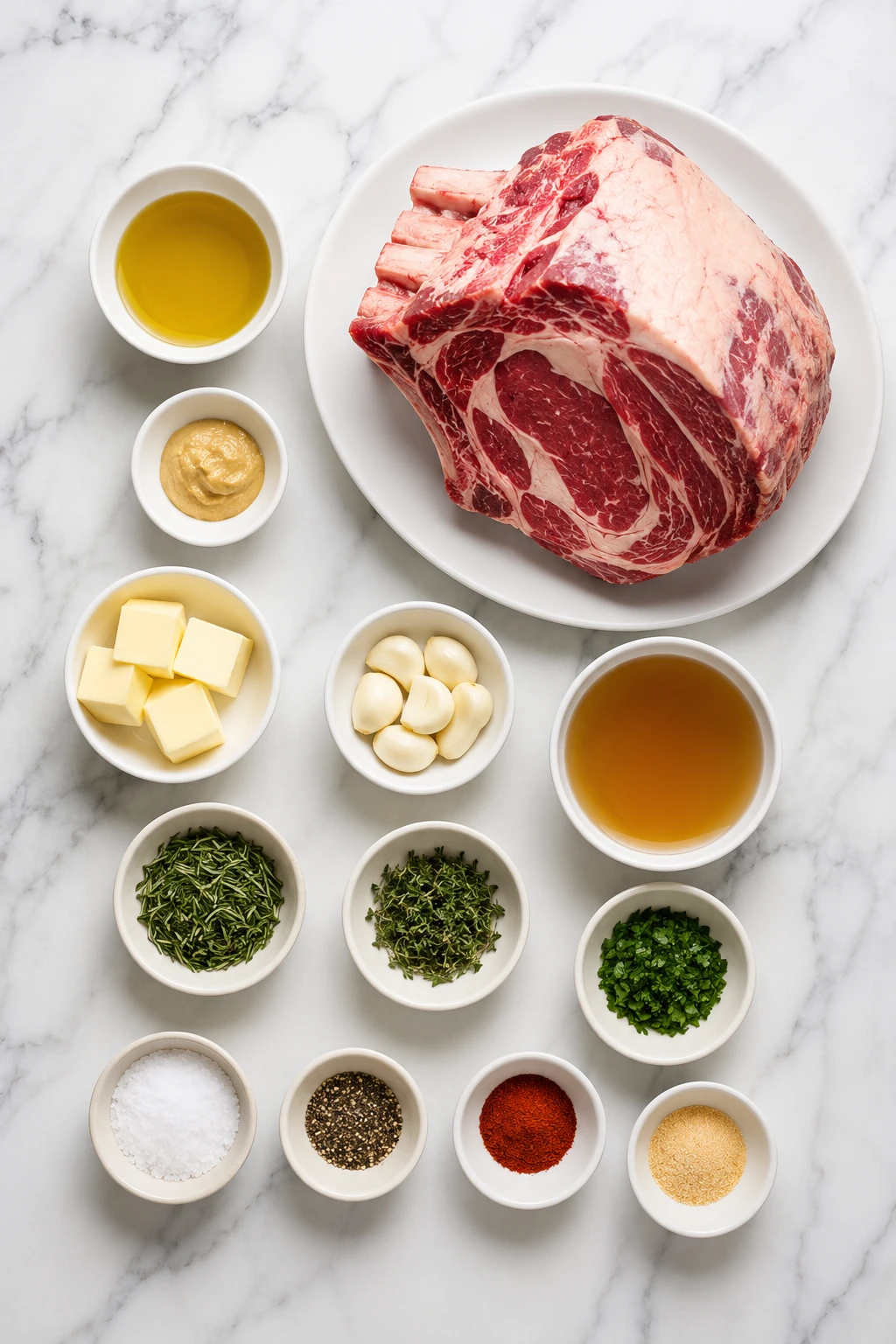
A great prime rib starts with simple ingredients that support the beef instead of covering it up. Each ingredient in this roast has a clear purpose, from building the crust to keeping the meat juicy and balanced.
Prime rib roast: The star of the recipe. Use bone-in or boneless prime rib with good marbling for the best flavor and tenderness.
Kosher salt: Essential for seasoning the beef deeply and helping the surface develop a better crust.
Black pepper: Adds warmth and a bold steakhouse-style bite that pairs perfectly with rich beef.
Fresh rosemary: Brings a woodsy, aromatic flavor that makes the roast smell incredible as it cooks.
Fresh thyme: Adds a softer herbal note that blends well with garlic and rosemary.
Fresh parsley: Brightens the herb crust and gives the finished roast a fresh green finish.
Garlic: Gives the crust its savory base and infuses the outside of the beef with deep flavor.
Dijon mustard: Helps the herbs stick to the roast while adding tang and subtle sharpness.
Olive oil: Loosens the herb mixture into a spreadable paste and helps the crust brown.
Unsalted butter: Adds richness to the herb coating and encourages a glossy, flavorful exterior.
Smoked paprika: Adds gentle color and a light smoky warmth without overpowering the beef.
Onion powder: Rounds out the seasoning and gives the crust a savory backbone.
Beef broth: Used in the roasting pan to keep the drippings from scorching and to create a base for au jus.
How To Make the Herb-Crusted Prime Rib Roast
Making herb-crusted prime rib roast is mostly about timing, seasoning, and temperature. Let the roast sit before cooking, start it hot to encourage browning, then finish it gently until the center reaches your preferred doneness.
Step 1: Bring the Roast Out Early
Remove the prime rib from the refrigerator about 2 hours before cooking. Pat it dry very well with paper towels. This helps the surface roast instead of steam and gives the herb crust a better chance to brown.
If your roast is tied with butcher’s twine, leave it tied so it holds its shape. Place it on a rack set inside a roasting pan, fat-side up. The fat cap will baste the meat as it cooks.
Step 2: Season the Beef
Rub the roast all over with kosher salt and black pepper. Make sure to season the sides and ends, not just the top. For deeper flavor, you can salt the roast the night before and leave it uncovered in the refrigerator, then bring it out before roasting.
Step 3: Mix the Herb Crust
In a small bowl, combine minced garlic, chopped rosemary, chopped thyme, parsley, Dijon mustard, olive oil, softened butter, smoked paprika, and onion powder. Stir until it forms a thick, fragrant paste.
The mixture should be soft enough to spread but not runny. If the butter is too firm, let it sit at room temperature a little longer before mixing.
Step 4: Coat the Roast
Spread the herb mixture over the top and sides of the prime rib. Press it gently into the meat so it sticks well. Try to keep most of the coating on the fat cap and exposed sides where it can create the most flavor.
Pour beef broth into the bottom of the roasting pan, keeping it below the rack so the roast is not sitting in liquid.
Step 5: Start with High Heat
Preheat the oven to 450°F. Roast the prime rib for 20 minutes to start building color on the outside. This first blast of heat helps set the crust and gives the roast a beautiful roasted aroma.
Step 6: Lower the Oven Temperature
Reduce the oven temperature to 325°F and continue roasting until the internal temperature reaches your preferred doneness. For medium-rare, pull the roast at about 120°F to 125°F because the temperature will rise as it rests. For medium, pull it closer to 130°F to 135°F.
Use an instant-read thermometer inserted into the thickest part of the roast, away from the bone. Cooking time varies by roast size and oven, so temperature matters more than the clock.
Step 7: Rest Before Slicing
Transfer the roast to a cutting board and tent it loosely with foil. Let it rest for 25 to 30 minutes. This step is not optional; resting allows the juices to settle so the slices stay moist.
While the roast rests, skim excess fat from the pan juices and warm the drippings with a little extra beef broth if needed for a simple au jus.
Step 8: Carve and Serve
For a bone-in roast, slice along the bones to remove them, then carve the meat into thick slices. For boneless prime rib, slice straight across the roast. Spoon warm au jus over each serving or serve it on the side.
Serving and Storing Herb-Crusted Prime Rib Roast
This herb-crusted prime rib roast serves about 6 to 8 people when using a 6-pound bone-in roast, depending on appetite and side dishes. For a holiday meal with several sides, thinner slices go further. For a dinner where the beef is the main focus, plan on generous cuts.
Let the roast rest before carving, then serve it warm with pan juices, horseradish cream, or a simple au jus. A sprinkle of fresh parsley or thyme right before serving makes the platter look bright and finished.
Store leftovers in an airtight container in the refrigerator for up to 3 to 4 days. To reheat without drying the meat, place slices in a covered baking dish with a splash of beef broth and warm gently at 275°F until just heated through. Avoid microwaving thick slices for too long, since that can turn tender prime rib tough.
For freezing, wrap slices tightly and freeze for up to 2 months. Thaw overnight in the refrigerator before reheating. Leftover prime rib is wonderful in sandwiches, beef hash, breakfast eggs, or quick steak-style pasta.
What to Serve With Herb-Crusted Prime Rib Roast?
Cheesy Scalloped Potatoes
Creamy potatoes are a classic match for prime rib because they soften the richness of the beef while still feeling holiday-worthy. A bubbling dish of cheesy scalloped potatoes gives you tender layers, golden edges, and a cozy side that always disappears quickly.
Creamy Baked Onions
Sweet baked onions bring a mellow, savory contrast to the roast. The creamy texture and gentle bite work beautifully with garlic, herbs, and the beef’s pan juices, especially if you serve them alongside creamy baked onions with Asiago cheese.
Roasted Vegetables
Roasted carrots, Brussels sprouts, parsnips, or green beans add color and balance to the plate. Keep the seasoning simple with olive oil, salt, pepper, and a little lemon zest so the vegetables taste fresh next to the rich roast.
Horseradish Sauce or Au Jus
A cool horseradish sauce cuts through the richness of the prime rib, while warm au jus makes each slice extra savory. Serving both gives guests a choice between creamy sharpness and deep beefy flavor.
Frequently Asked Questions
How do I know when prime rib is done?
The most reliable way is to use an instant-read meat thermometer. Insert it into the thickest part of the roast, away from the bone and away from any pockets of fat. For medium-rare, remove the roast from the oven around 120°F to 125°F. For medium, aim for 130°F to 135°F. The internal temperature will continue to rise while the roast rests, so pulling it slightly early helps prevent overcooking.
Should I cook prime rib covered or uncovered?
Cook prime rib uncovered so the herb crust can brown and the fat cap can roast properly. Covering it during cooking traps steam, which can soften the crust. After roasting, tent the meat loosely with foil while it rests. The foil keeps it warm without sealing in too much moisture.
Can I season the prime rib the night before?
Yes, and it can make the roast even better. Salt the roast the night before and leave it uncovered in the refrigerator on a rack. This helps season the meat and dry the surface slightly, which improves browning. Add the garlic-herb paste closer to roasting time so the herbs stay fresh and fragrant.
What if my prime rib is cooking too fast?
If the roast is reaching temperature faster than expected, lower the oven to 250°F to slow it down, or remove it early and let it rest longer. A large roast can rest for 30 to 45 minutes and still serve beautifully warm. This is one reason a thermometer is so helpful; it lets you adjust before the roast passes your ideal doneness.
Can I make this with beef tenderloin instead?
Yes, but beef tenderloin is leaner and cooks faster than prime rib. The herb crust will still taste delicious, but you will need to watch the temperature closely and reduce the cooking time. If you enjoy elegant beef roasts, you may also like this roasted beef tenderloin with French onions and horseradish sauce for another special dinner option.
Save This Pin For Later
📌 Save this Herb-Crusted Prime Rib Roast to your Pinterest dinner board so you can come back to it when you are planning a holiday meal, Sunday dinner, or special family gathering.
Let me know in the comments how yours turned out. Did you serve it medium-rare or closer to medium? Did you add horseradish sauce, au jus, or a creamy potato side?
I love hearing how others make these meals their own. Questions are welcome too, so we can help each other cook with more confidence. For more daily recipes and meal inspiration, follow Meals We Share on Pinterest.
Conclusion
Herb-crusted prime rib roast is one of those recipes that feels grand without being fussy. With a bold garlic-herb crust, a tender pink center, and a simple roasting method, it gives you the kind of main dish people remember long after the plates are cleared.
The key is to season generously, use a thermometer, and give the roast time to rest before carving. Once you master those steps, this prime rib becomes a dependable choice for holidays, celebrations, and any dinner where you want the table to feel extra special.
Herb-Crusted Prime Rib Roast
- Total Time: 2 hours 35 minutes
- Yield: 6 to 8 servings
Description
Make your next holiday dinner unforgettable with this Herb-Crusted Prime Rib Roast, a juicy, tender beef roast coated in garlic, rosemary, thyme, Dijon mustard, and butter for a golden savory crust. This easy dinner centerpiece is perfect for Christmas dinner, Sunday supper, special occasions, dinner ideas, holiday food ideas, and anyone looking for an impressive easy recipe with rich flavor and beautiful slices.
Ingredients
6 pounds bone-in prime rib roast
2 tablespoons kosher salt
2 teaspoons black pepper
6 cloves garlic, minced
2 tablespoons fresh rosemary, finely chopped
1 tablespoon fresh thyme, finely chopped
2 tablespoons fresh parsley, finely chopped
2 tablespoons Dijon mustard
2 tablespoons olive oil
4 tablespoons unsalted butter, softened
1 teaspoon smoked paprika
1 teaspoon onion powder
1 cup beef broth
Instructions
1. Remove the prime rib roast from the refrigerator about 2 hours before cooking and pat it very dry with paper towels.
2. Place the roast fat-side up on a rack inside a roasting pan and season all over with kosher salt and black pepper.
3. In a small bowl, mix garlic, rosemary, thyme, parsley, Dijon mustard, olive oil, softened butter, smoked paprika, and onion powder until a thick paste forms.
4. Spread the herb mixture over the top and sides of the roast, pressing gently so it sticks.
5. Pour beef broth into the bottom of the roasting pan, keeping the roast elevated on the rack.
6. Preheat the oven to 450°F and roast for 20 minutes.
7. Reduce the oven temperature to 325°F and continue roasting until the internal temperature reaches 120°F to 125°F for medium-rare or 130°F to 135°F for medium.
8. Transfer the roast to a cutting board, tent loosely with foil, and rest for 25 to 30 minutes.
9. Slice the roast against the grain and serve warm with pan juices or au jus.
Notes
Use a meat thermometer because prime rib doneness depends more on internal temperature than exact cooking time.
Let the roast rest before slicing so the juices settle and the meat stays tender.
For deeper flavor, salt the roast the night before and leave it uncovered in the refrigerator.
- Prep Time: 20 minutes
- Cook Time: 1 hour 45 minutes
- Category: Dinner
- Method: Roasting
- Cuisine: American
Nutrition
- Serving Size: 1 slice
- Calories: 720
- Sugar: 0.5g
- Sodium: 1780mg
- Fat: 58g
- Saturated Fat: 24g
- Unsaturated Fat: 28g
- Trans Fat: 0g
- Carbohydrates: 3g
- Fiber: 0.5g
- Protein: 45g
- Cholesterol: 165mg
Keywords: herb-crusted prime rib roast, prime rib recipe, holiday dinner, Christmas dinner, easy dinner, dinner ideas, food ideas, beef roast