 Sally Roberts
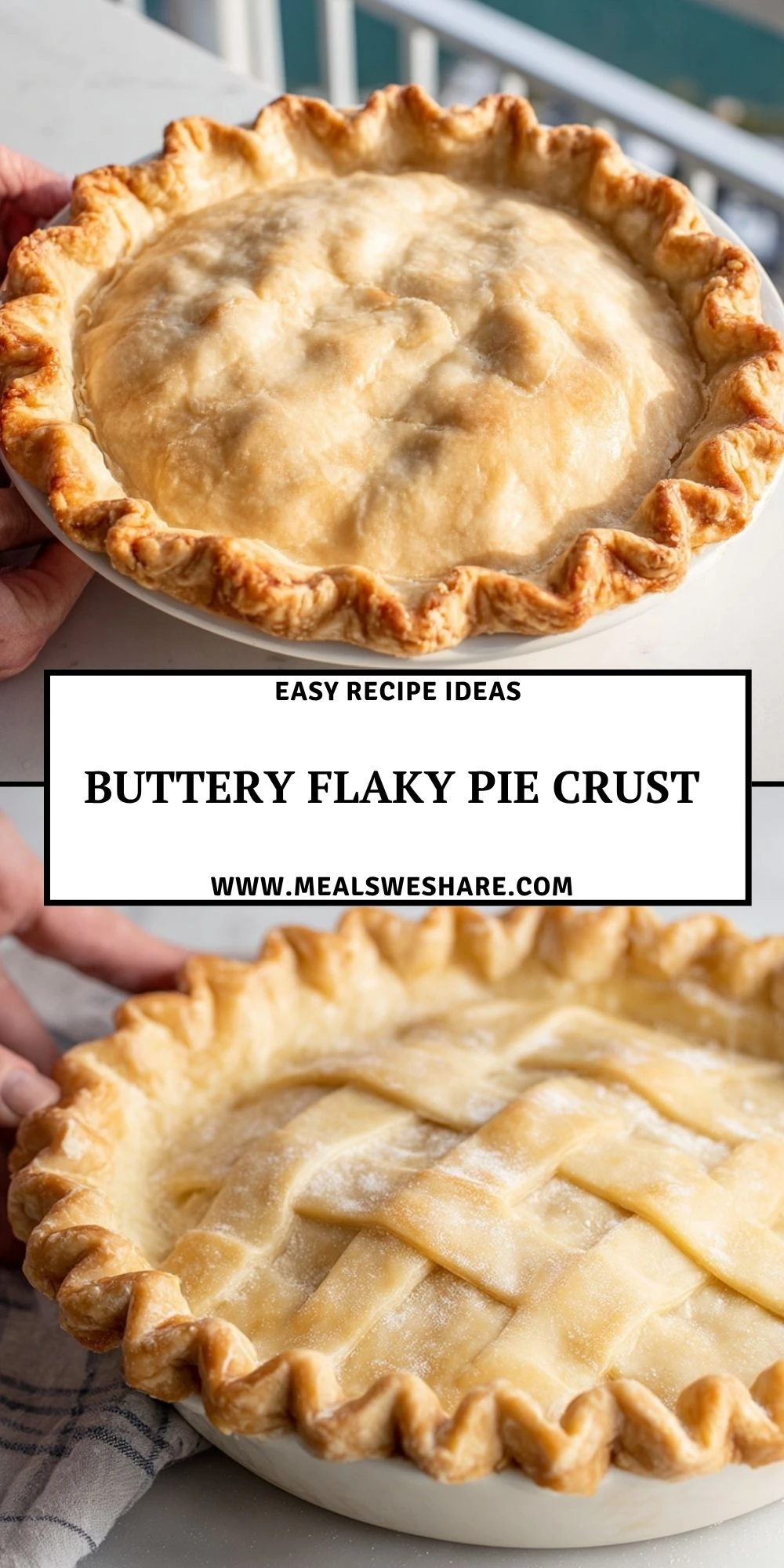
A buttery flaky pie crust is the kind of kitchen basic that makes every pie feel homemade from the first bite. It bakes up tender, crisp around the edges, and layered with that classic buttery texture that works beautifully for fruit pies, custard pies, cream pies, quiche, pot pies, and savory tarts.

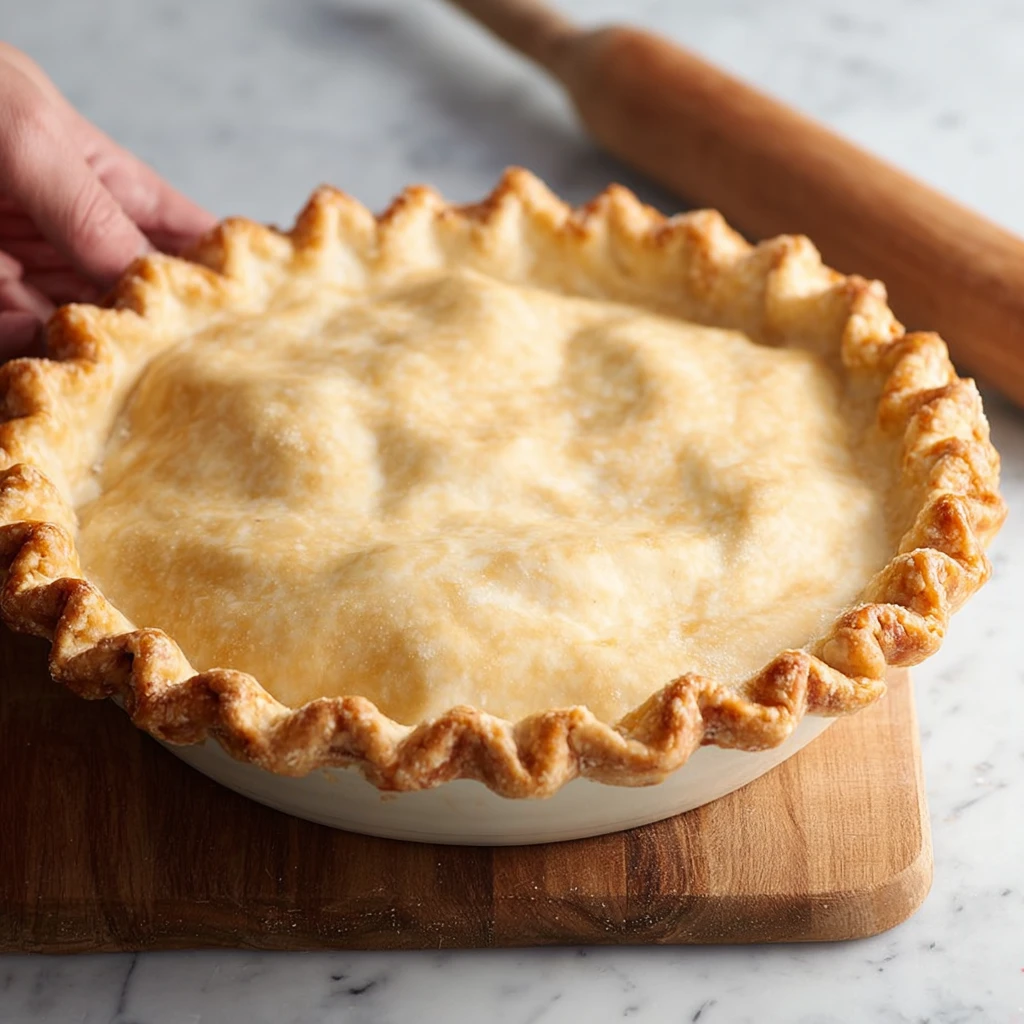
This crust is simple enough for beginners but reliable enough to become your go-to pie dough. The secret is cold butter, gentle mixing, and just enough ice water to bring the dough together without making it tough. Once you learn how the dough should feel, you can use this buttery flaky pie crust for almost any pie you love.
Why You’ll Love This Buttery Flaky Pie Crust
This buttery flaky pie crust has the balance every homemade crust needs: rich flavor, tender texture, and flaky layers that hold up well under fillings. It does not require fancy ingredients, and it gives you a crust that tastes far better than store-bought dough.
You’ll also love how versatile it is. Use it for a golden apple pie, a silky chocolate cream pie, a savory quiche, or a cozy chicken pot pie. The dough can be made ahead, chilled, frozen, blind baked, or filled and baked right away depending on the pie you are making.
What Kind of Butter Should I Use for Buttery Flaky Pie Crust?
Use cold unsalted butter for the best control over flavor and salt level. European-style butter can make the crust even richer because it has a higher fat content, but regular unsalted butter works wonderfully too.
The most important detail is temperature. The butter should be cold enough to stay in small pieces throughout the dough. When those butter pieces hit the oven, they release steam, which helps create flaky layers. If the butter melts into the flour before baking, the crust will become more crumbly than flaky.
Ingredients for the Buttery Flaky Pie Crust
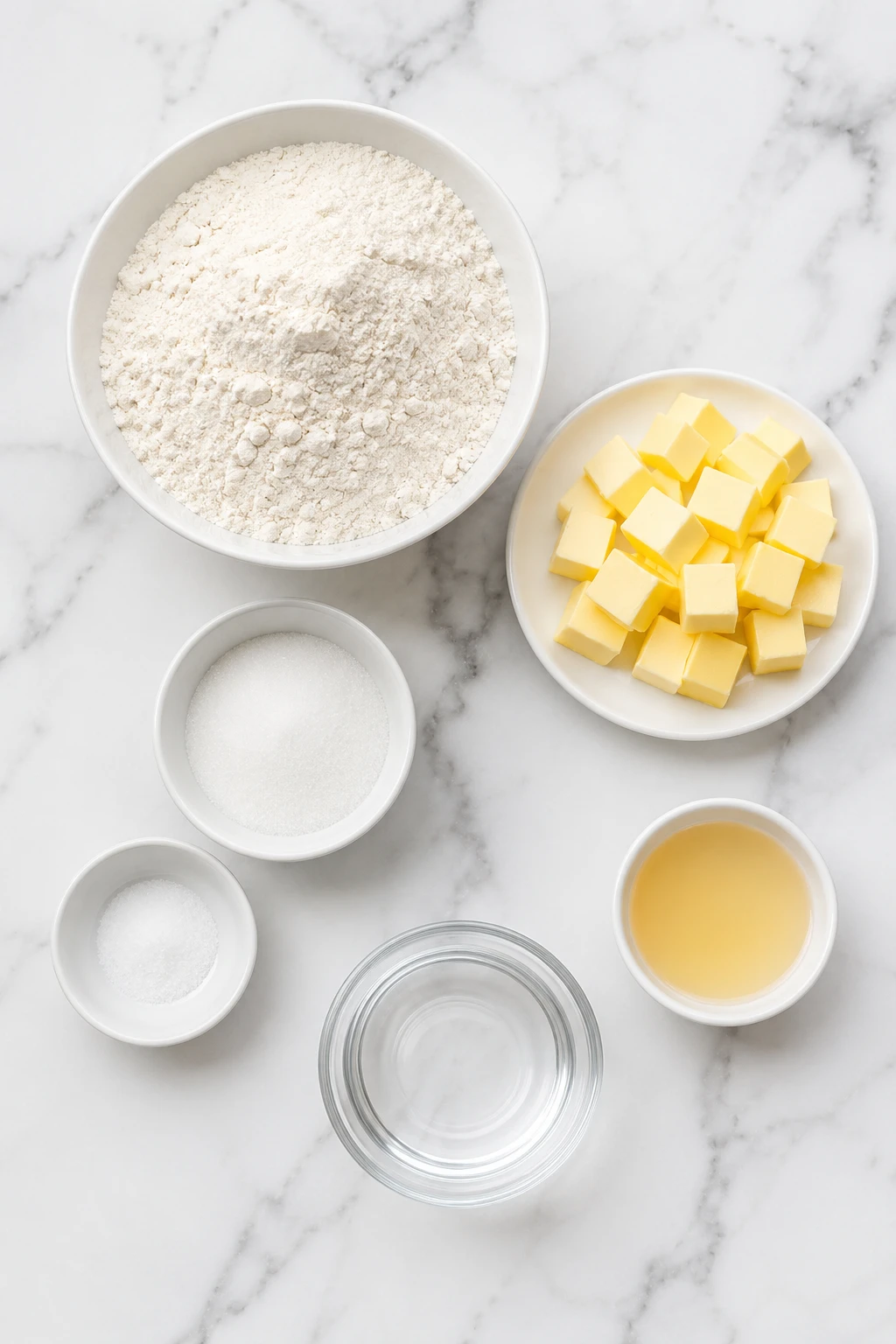
This crust uses simple baking staples, but each one has a purpose. After you understand what every ingredient does, the dough becomes much easier to handle.
All-purpose flour gives the crust structure. It is sturdy enough to hold fillings but still tender when handled gently.
Unsalted butter creates the rich flavor and flaky texture. Keep it very cold and cut it into cubes before mixing.
Granulated sugar adds a light sweetness and helps the crust brown beautifully. You can reduce or skip it for savory pies.
Fine salt balances the butter and brings out the flavor of the crust.
Ice water brings the dough together without warming the butter. Add it slowly so the dough does not become wet or sticky.
Apple cider vinegar helps keep the dough tender. It lightly relaxes the gluten, which makes the crust easier to roll and less likely to become tough.
How To Make the Buttery Flaky Pie Crust
Making pie crust is less about working hard and more about working cold. Keep your ingredients chilled, mix gently, and let the dough rest before rolling.
Step 1: Mix the Dry Ingredients
Add the flour, sugar, and salt to a large mixing bowl. Whisk them together until evenly combined. This helps the salt and sugar spread through the flour before the butter goes in.
Step 2: Cut in the Cold Butter
Add the cold cubed butter to the flour mixture. Use a pastry cutter, two forks, or your fingertips to work the butter into the flour until you have a mix of pea-sized pieces and some flatter butter flakes. Do not blend the butter completely into the flour. Those visible butter pieces are what create a flaky crust.
Step 3: Add the Ice Water and Vinegar
Stir the apple cider vinegar into the ice water. Drizzle the liquid into the bowl, one tablespoon at a time, gently tossing the dough after each addition. Stop when the dough holds together when pressed between your fingers. It should look a little shaggy, not smooth or wet.
Step 4: Shape and Chill the Dough
Turn the dough onto a lightly floured surface and press it together gently. Divide it into two discs if making a double crust, or keep it as one larger disc for a single deep-dish crust. Wrap the dough tightly and chill it for at least 1 hour. This rest helps the butter firm back up and makes the dough easier to roll.
Step 5: Roll the Dough
Lightly flour your work surface and rolling pin. Roll the dough from the center outward, turning it often so it does not stick. Aim for a circle about 12 inches wide for a standard 9-inch pie plate. Add a little flour only as needed.
Step 6: Fit the Dough Into the Pie Plate
Gently transfer the dough into the pie plate. Let it settle into the bottom and sides without stretching it. Trim the edges, leaving about 1 inch of overhang. Fold the overhang under itself and crimp the edges with your fingers.
Step 7: Chill Before Baking
Place the shaped crust in the refrigerator for 20 to 30 minutes before baking. This keeps the butter cold and helps the crimped edges hold their shape in the oven.
Step 8: Bake According to Your Pie
For a filled pie, add your filling and bake as directed by that pie recipe. For a blind-baked crust, line the chilled crust with parchment paper, fill it with pie weights or dried beans, and bake until the edges begin to set. Remove the weights and continue baking until the bottom is dry and lightly golden.
Serving and Storing Buttery Flaky Pie Crust
This buttery flaky pie crust makes enough dough for one double-crust 9-inch pie or two single-crust 9-inch pies. A standard 9-inch pie usually feeds 8 people, depending on how generous the slices are.
Once baked, the crust is best the day it is made, especially if you want the crispest texture. For fruit pies or custard pies, store leftovers covered at room temperature for up to 1 day or in the refrigerator for 3 to 4 days, depending on the filling.
Unbaked dough stores very well. Keep wrapped dough discs in the refrigerator for up to 3 days, or freeze them for up to 3 months. Thaw frozen dough overnight in the refrigerator before rolling. You can also freeze a shaped unbaked pie shell, which is helpful for holiday baking or make-ahead dessert planning.
What to Serve With Buttery Flaky Pie Crust?
Fresh Fruit Filling
A buttery flaky pie crust is perfect with apples, peaches, berries, cherries, or pears. The crisp crust balances juicy fruit and gives every slice a tender, bakery-style bite.
Creamy Custard Filling
Use this crust for custard pies such as pumpkin pie, coconut cream pie, banana cream pie, or chocolate silk pie. Blind baking first helps the crust stay crisp under soft fillings.
Savory Quiche
This dough works beautifully for quiche because the butter flavor pairs well with eggs, cheese, vegetables, and herbs. Reduce the sugar if you want a more savory crust.
Chicken Pot Pie
For a cozy dinner idea, use this dough as the topping for chicken pot pie or as both the bottom and top crust. The flaky layers make the creamy filling feel extra comforting.
Frequently Asked Questions
Why is my pie crust not flaky?
Pie crust usually loses flakiness when the butter gets too warm or the dough is overmixed. You want small visible pieces of butter in the dough before rolling. If the butter disappears completely into the flour, the crust will bake up more tender and crumbly instead of layered and flaky.
Chilling also matters. Rest the dough before rolling, then chill the shaped crust again before baking. These cold rests help the butter stay solid long enough to create steam in the oven.
Can I make buttery flaky pie crust ahead of time?
Yes, this dough is excellent for make-ahead baking. You can refrigerate the wrapped dough discs for up to 3 days, or freeze them for up to 3 months. When freezing, wrap the dough tightly in plastic wrap, then place it in a freezer bag to protect it from freezer burn.
For easy dessert prep, you can also roll the dough, fit it into the pie plate, crimp the edges, and freeze the shaped crust. Bake it straight from frozen or let it rest briefly at room temperature while the oven preheats.
Do I need to blind bake this pie crust?
Blind baking depends on the filling. You should blind bake the crust for cream pies, pudding pies, fresh fruit pies with no baked filling, and some custard pies. Blind baking keeps the bottom from becoming soggy.
For baked fruit pies, pot pies, and many double-crust pies, you usually do not need to blind bake first. The crust bakes along with the filling.
Can I use this crust for savory pies?
Absolutely. This buttery flaky pie crust is wonderful for savory pies, quiche, tarts, and pot pies. For savory baking, reduce the sugar to 1 teaspoon or leave it out completely.
Try it with a filling inspired by Impossible Cheeseburger Pie, or use it as a buttery base for a rich brunch-style quiche like Mini Quiches With Herbs.
How do I keep the bottom crust from getting soggy?
A cold crust and hot oven are the first steps. Chilling the shaped dough before baking helps it set properly. For wet fillings, blind bake the crust or brush the bottom with a thin layer of egg wash before filling.
You can also place the pie dish on a preheated baking sheet. This gives the bottom crust a quick burst of heat, helping it firm up faster. For fruit pies, make sure the filling is thickened properly so excess juice does not soak into the crust.
For a sweet pie idea that pairs beautifully with this crust, try it with Salted Caramel Apple Pie.
Save This Pin For Later
📌 Save this buttery flaky pie crust to your Pinterest baking board so you can come back to it any time you need a dependable homemade pie dough.
And let me know in the comments how yours turned out. Did you use it for a fruit pie, cream pie, quiche, or pot pie? Did you make it by hand or with a pastry cutter?
I love hearing how others make these recipes their own. Questions are welcome too, let’s help each other bake smarter. For more daily recipe ideas, follow Meals We Share.
Conclusion
A buttery flaky pie crust is one of those recipes that makes homemade baking feel special. With cold butter, a light hand, and enough chill time, you can create a crust that is crisp, tender, golden, and full of rich buttery flavor.
Use it for sweet pies, savory pies, holiday desserts, brunch quiche, or comforting pot pies. Once you make this crust from scratch, it will quickly become one of the most useful basics in your kitchen.
Print Buttery Flaky Pie Crust
- Total Time: 1 hour 20 minutes including chilling
- Yield: 2 single 9-inch pie crusts or 1 double-crust 9-inch pie
- Diet: Vegetarian
Description
This buttery flaky pie crust is the homemade baking essential you’ll reach for again and again. Made with cold butter, simple pantry ingredients, and an easy mixing method, it bakes into a tender, golden crust with crisp edges and delicate layers. It is perfect for dessert ideas, holiday pies, easy recipe planning, brunch ideas, dinner ideas, savory quiche, fruit pies, cream pies, and cozy food ideas when you want a reliable homemade crust.
Ingredients
2 1/2 cups all-purpose flour
1 tablespoon granulated sugar
1 teaspoon fine salt
1 cup unsalted butter, very cold and cubed
6 to 8 tablespoons ice water
1 tablespoon apple cider vinegar
Instructions
1. Add the flour, sugar, and salt to a large bowl and whisk until evenly combined.
2. Add the cold cubed butter and cut it into the flour until the mixture has pea-sized pieces and thin butter flakes.
3. Stir the apple cider vinegar into the ice water.
4. Add the cold liquid 1 tablespoon at a time, gently tossing until the dough holds together when pressed.
5. Turn the dough onto a lightly floured surface and press it together without kneading.
6. Divide the dough into 2 discs, wrap tightly, and chill for at least 1 hour.
7. Roll one disc into a 12-inch circle on a lightly floured surface.
8. Fit the dough into a 9-inch pie plate, trim the edges, fold the overhang under, and crimp.
9. Chill the shaped crust for 20 to 30 minutes before baking.
10. Fill and bake according to your pie recipe, or blind bake with parchment and pie weights until lightly golden.
Notes
Keep the butter very cold from start to finish. Warm butter blends into the flour too quickly and reduces flakiness.
Add ice water slowly. The dough should hold together when pressed but should not feel wet or sticky.
Chill the dough before rolling and again after shaping to help the crust bake up flaky and hold its crimped edges.
- Prep Time: 20 minutes
- Cook Time: 0 minutes for dough only, 15 to 25 minutes if blind baking
- Category: Pie Crust
- Method: Mixing and Chilling
- Cuisine: American
Nutrition
- Serving Size: 1 slice crust portion
- Calories: 245
- Sugar: 1g
- Sodium: 195mg
- Fat: 16g
- Saturated Fat: 10g
- Unsaturated Fat: 5g
- Trans Fat: 0g
- Carbohydrates: 23g
- Fiber: 1g
- Protein: 3g
- Cholesterol: 41mg
Keywords: buttery flaky pie crust, homemade pie crust, easy pie dough, flaky pie dough, butter pie crust, dessert ideas, holiday pies, brunch ideas, dinner ideas, easy recipe, food ideas